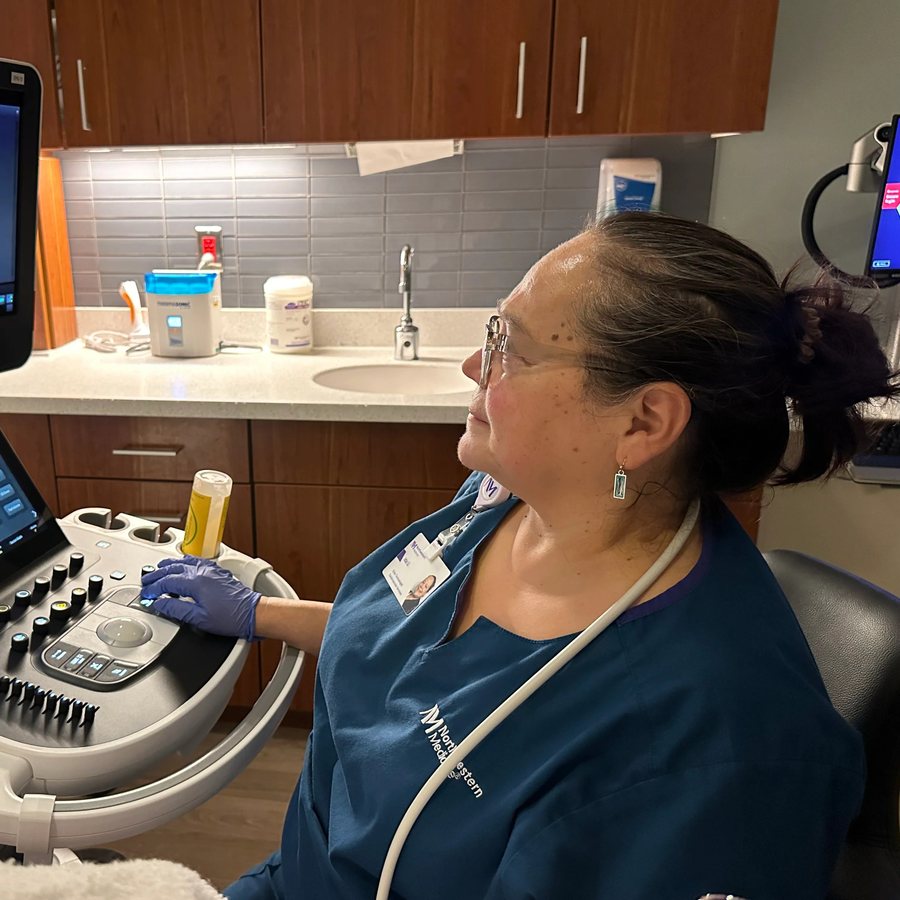

Learn the equipment before the assignment
For your first travel respiratory therapist contract, make the equipment discussion part of choosing the hospital. Explain where you practice now and which equipment you use regularly. Have the department identify what will be different, including the systems you would encounter on nights. Familiarity with the work deserves a separate check from familiarity with its equipment.
Request the orientation outline and discuss the time provided for local devices and protocols. Ask how the department confirms readiness with equipment you have used less recently. AARC’s August 2026 specialty presentation includes protocol review and competency validation within an orientation discussion, although the example concerns a new graduate rather than a traveler1. Use the distinction to make your own preparation specific to your experience.
Familiarity with the work deserves a separate check from familiarity with its equipment.
Get clear about who supports equipment questions after orientation ends, especially if your assignment is nights. Discuss how updates are communicated during the contract and where the approved protocols are available. Leave any unresolved training need on the table until the department explains its plan. The aim is to arrive with a clear understanding of what you already bring and what must be addressed locally before you take the expected assignment.
Pin down the units you could cover
Ask the department to describe the units included in the contract and how assignments are divided during a shift. Discuss whether you would cover an adult ICU, the ED, or several areas of the hospital. If NICU or PICU coverage is mentioned, explain your actual experience with those populations. Keep adult critical care experience distinct from preparation for neonatal or pediatric work.
Have the manager walk through how a change in coverage is communicated. Find out who makes the assignment and how you raise a concern when the requested work differs from your preparation. Ask about the support available when simultaneous needs arise in different areas. The facility controls the allocation of work, so make the discussion about its expectations and the process you would follow.
Include the movement between units in your picture of the shift. Learn where equipment is kept and how the department organizes access when you are away from its base. Ask whether orientation includes the areas where you might be sent, rather than only the unit named in the opening. You want a usable understanding of the coverage arrangement before accepting a role that spans more of the hospital than you expected.
Read respiratory season demand with caution
For a late-2026 start, ask why the department needs coverage and how long it expects that need to continue. Separate a vacancy from a temporary increase in respiratory workload. Find out whether the proposed dates were chosen around a particular service or around seasonal planning. The answer can help you understand the work without assuming the same pattern everywhere.
CDC’s September 23 outlook expects the combined peak respiratory hospitalization rate to be similar to the previous season, with low to moderate confidence2. The assessment also identifies uncertainty in the timing and overlap of individual disease peaks2. Ask the department which local indicators it follows and how it changes coverage plans as those indicators develop.
A 13-week assignment has fixed proposed dates even when seasonal demand shifts. Ask when the department expects to review continuing needs and how an extension would be discussed. Keep your own plans after the end date visible, particularly if you need time away. Consider winter context as a reason for a more detailed conversation about the assignment, while basing your decision on the role the hospital can describe now.
Use the contract to review your range
Early in the assignment, keep a private learning list that contains no patient information. Note unfamiliar equipment workflows and the local processes you want to review with the educator. Distinguish a question about hospital procedure from a skill you need more supervised practice to develop. Bring the list to an agreed check-in while there is time left to address it.
As the weeks progress, compare the work you are doing with the breadth you want to maintain. Ask about appropriate learning opportunities within your assignment rather than treating exposure alone as evidence of competence. If you want future NICU or PICU roles, discuss the preparation those positions would require separately. Keep your description of your current experience accurate when another opportunity arises.
Before the final weeks, review what this hospital taught you about choosing a travel role. Identify the orientation details you would request earlier and the coverage pattern you would willingly repeat. Consider whether you want another assignment with similar patients or a different setting supported by further preparation. Update your experience summary with work you have actually performed, then use it to frame the first conversation about your next contract.